
Most incense sticks look the same in the box. What sets apart a truly great stick is what it’s made of, how long it lasts, and the price you pay for every individual stick. This guide ranks the 10 best incense sticks of 2026 on exactly those terms.
We compared ingredients (natural versus synthetic, the inclusion of charcoal), scent family, burn time, stick count, and price per stick. We used each brand’s own product listing whenever they published the details and noted whenever certain ranking factors were not available. Incense sticks can be used for meditation, sleep, anxiety, or even clearing a space, and it matters which one you choose.
How We Compared Them
Ingredients
We looked at whether a brand discloses its ingredients at all, whether the scent comes from plant materials, and whether the stick is built on charcoal. Charcoal helps cheap sticks stay lit, but it adds a burnt undertone and extra smoke that has nothing to do with the fragrance being purchased.
Scent Family
Knowing the scent family matters more than the product name, because two sticks from different makers can have the same name but smell nothing alike. We included families like woody, resinous, floral, citrus, and spice.
Burn Time and Stick Count
We used each brand’s stated burn time per stick and the number of sticks in its standard pack. Burn time varies with airflow and how the stick is lit, so we focused on the maker’s published estimates.
Price Per Stick
Pack price hides a lot, because an expensive box can actually be cheaper per stick than a box with a much lower price point. We divided the list price by stick count and converted any Canadian-dollar prices to US dollars at roughly 0.71 US per CAD to make price comparison easier.
The Best Incense Brands of 2026 at a Glance
1. Othership Signature Scent Natural Cedar
Othership’s Signature Scent is built on a unique blend of three different cedars, made with 100% natural ingredients, and hand-rolled rather than dipped. There is also no charcoal base doing the work of keeping it lit, which means the cedar is all that you smell from the first light to the final ember.
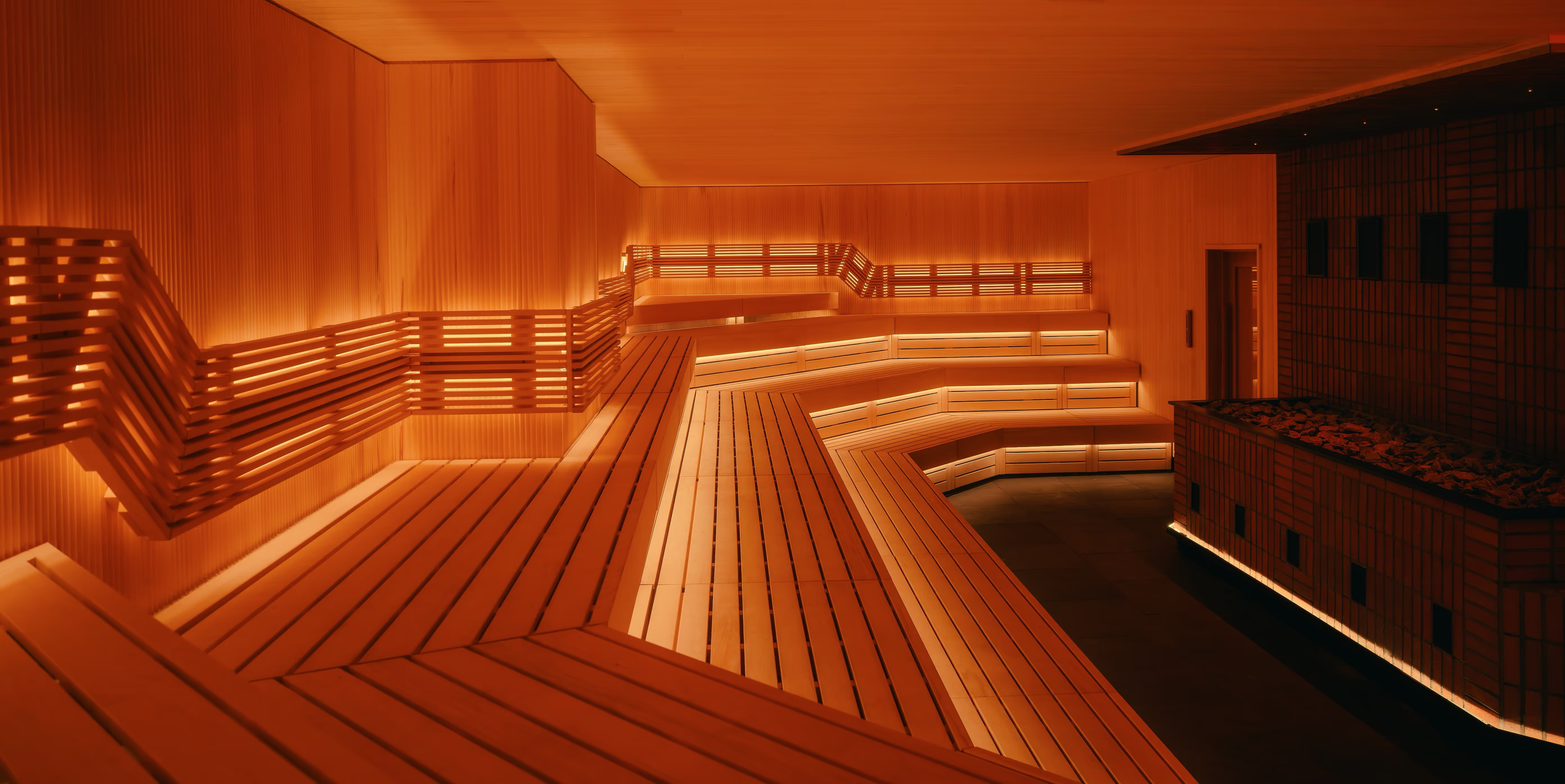
Most cedar incense leans on a single note. Blending three cedars gives this stick more depth: dry and sharp at the top, warmer and softer as it burns down. It is also the same scent that fills Othership’s sauna and cold-plunge spaces, built to signal that it’s time to slow down.
Othership rates each stick at 45 to 60 minutes, an upper-end value matched on this list only by Incausa. At roughly $1.15 per stick in the 11-pack, it costs more up front than any mass-market incense. However, you’re getting close to an hour of clean cedar smell per stick rather than 20 minutes of perfume and charcoal.
If cedar becomes your daily scent, the Collector’s Edition brings the cost down to about $0.92 per stick. It packs 77 hand-rolled sticks into a collectible sliding box. The Signature Scent is the anchor, but Othership also makes four hand-dipped blends, each built around a different state to shift into: Up (energy and focus), Down (winding down), All Around(balance), and Sojourn (ground with a lift).
2. Juniper Ridge Campfire Incense
Juniper Ridge makes its incense sticks from tree pitch and wild-harvested plants, and every stick has a bamboo Core. There is no charcoal or perfume used, so the Cedar version can be relied on to smell just like the Pacific Northwest forest on which it is based. At about $0.60 a stick for a box of 20, it is the best value among all fully natural options on the market. Unlike Othership, Juniper Ridge does not publish an estimated burn time that can be used to fully determine individual stick value.
3. Shoyeido Moss Garden (Nokiba)
Kyoto-based Shoyeido is the benchmark for Japanese incense, and Moss Garden (Nokiba) is their best. This incense stick blends sandalwood, benzoin, and patchouli into a soft, slightly sweet aroma that burns for around 50 minutes. There are about 35 in a bundle, which means a remarkable $0.20 per stick value. Shoyeido does not confirm what is used in its binder, so the presence of charcoal is unconfirmed. Some buyers may also prefer a gentler scent, and several brands have a similar-smelling option in this style.
4. Incausa Half-Dozen Bundle
Incausa is a premium brand that works with Indigenous artisans in the Amazon basin, and its sticks are some of the most beautiful objects on this list. Every one is custom-made and hand-wrapped in Nepalese lokta paper. The palo santo stick burns for about 50 minutes and is made from a mix of palo santo wood and vegetable charcoal. At $18 for six sticks, it tends to be better suited for a special-occasion incense rather than a daily one.
5. Astier de Villatte
The Parisian ceramics house Astier de Villatte commissions its incense sticks from makers in Japan. They are made from woods, herbs, and plant resins with added perfume and no confirmation of whether charcoal is used. Every box holds about 125 sticks, and each one burns for about 30 minutes in total. An Asiter de Villate incense box runs about $52 to $85 depending on the retailer, and the available scents are delightful but closer to fine fragrance than traditional incense sticks.
6. Le Labo Incense
Le Labo is one of the newest incense brands, having entered the market in June 2026. Their three scents (Santal 26, Encens 9, Ambroxyde 17) are each handmade in Kyoto, but Le Labo has not published the ingredients used in any of their sticks. Every box includes 35 sticks, with each one burning for about 25 minutes. In the US, a set costs about $39, which equates to $1.11 a stick.
7. Maroma Incense Sticks
Maroma’s incense sticks are made from wood powder with a natural bark binder, making them both charcoal-free and phthalate-free. The only catch is the ingredient list, which includes added fragrance alongside essential oils. The scents are still rather lovely, and every stick lasts for about 45 minutes in total. Ten sticks in each box means roughly $0.57 per stick, which is a nice value for what is included.
8. Nippon Kodo Morning Star
Morning Star is likely the most affordable Japanese incense you will find: 200 coreless sticks cost about $12, which is only about six cents a stick. The tradeoff, however, is transparency. The brand does not list any of the ingredients used in their incense, and the scents are straightforward single notes. Each Nippon Kodo stick also burns for an average of 25 minutes.
9. Satya Sai Baba Nag Champa
Satya’s Nag Champa is one of the most recognizable incense in the world, and a 40-gram box only costs about $7.50. Its floral-resin scent remains a classic that most will enjoy, but retailer ingredient lists for the product include charcoal. The stick count for Satya’s boxes varies by weight, meaning there are roughly 32 to 40 per box. Each one burns for around 45 minutes.
10. HEM Hexa
HEM is another classic incense brand that has been around for years. The sticks are charcoal-based and scented with a variety of fragrance oils and perfumes alongside herbs and resins. They are also quite cheap, costing around $0.15 a stick in a three-pack of 20-stick tubes. The scent range is enormous enough to satisfy most novice customers, even if the fragrances are far from what some consider natural.
Choosing Incense by Purpose
The best incense sometimes depends on the moment you are lighting it for. Below we discuss how the top picks map to the most common reasons that people burn incense, including links to our full guides on each.
Meditation
For meditation, it is best to have an incense stick that involves a long, steady burn with a scent that can stay in the background. Woody and resinous sticks like the Othership Signature Scent or Shoyeida Moss Garden work well because they are appealing without fully pulling your attention away. A 45- to 60-minute stick like the Signature Scent covers most sitting sessions without relighting. Our guide to incense for meditation covers scents, timing, and how to build incense into a sitting practice.
Anxiety
Incense will not directly treat anxiety, but a consistent scent ritual can become a physical cue to slow down your breathing and reset. Grounding notes like cedar, vetiver, and spruce can all be found in Othership’s Down blend. Read more in our guide to incense for anxiety.
Sleep
To improve your sleep, try burning incense in the hour before bed to let the room air out a bit. Warm, woody blends suit this window of time best. Down, with its spruce and three cedars, is a perfect pick for relaxing the body just before lights-out. Our incense for sleep guide walks through the scents and safe timing.
Cleansing
Cedar, sage, palo santo, and frankincense have long histories in cleansing rituals across many different cultures. Othership’s Signature Scent, Juniper Ridge, and Incause all fit well for this purpose. Our cleansing incense guide explains the traditions behind each and how to respectfully use them to cleanse your own space.
Natural Incense vs. Synthetic Incense
“Natural” can mean almost anything on incense packaging, so the ingredient list is where the true answer lives. Charcoal-free sticks like the Otherships Signature Scent and Juniper Ridge tend to be considered more natural than those that list charcoal among their ingredients or do not disclose their ingredients at all.
Natural incense can dry out and lose fragrance over time, so it is important to burn them regularly and keep them stored away from heat or direct sunlight. Smaller packs and gift sets are also a smarter choice if there is a chance that the natural incense you choose will go unused for long periods of time.
The Bottom Line
If you want one stick that does everything well, the Othership Signature Scent Natural Cedar Incense is it. Every stick is 100% natural, hand-rolled, charcoal-free, and rated for up to an hour of burn. If you add Up for mornings and Down for evenings, there is incense for most of the day. Among the other brands that publish their ingredients, Juniper Ridge and Shoyeido are the strongest alternatives. Explore the full Othership incense collection and find the blend that fits your ritual.